• Skip to main content
  • Skip to secondary menu
  • Skip to primary sidebar

Gaynor Marshall | Sewing and Design

Designing Calm, One Stitch at a Time

  • Home
  • Store
  • About
    • Copyright
    • Disclosure Policy
  • Blog
    • The Cottagecore Aesthetic: Understanding What it is and How to Use it
    • Crafting for Wellness
      • Mindful Crafting: Unlock Creativity and Transform Wellbeing
    • Discover the Inventor of the Sewing Machine: A Fascinating History
    • Sewing
      • Spring Sewing Delights: Fresh Projects to Celebrate the Season
      • Sewing Essentials: Setup & Success
        • How to Set Up an Inspiring Sewing Workspace at Home
        • Sewing Tools: My Essential Top Ten
        • Stitch Library – Ultimate Guide
        • Successful Sewing: My 5 Secrets
        • Thread Basics: The Ultimate Beginner’s Guide to Sewing and Embroidery
    • Tutorials
      • Buttons: Make Your Own
      • Creative Ways to Use Machine Embroidery for Stunning Projects
      • Drawstring Bags: Make Your Own
      • Creative Embroidery Templates: Think Outside the Box for Unique Designs
      • Mini Bunting Make Your Own
      • Take Your Sewing to the Next Level
      • Zips
        • Zips, Part 1: Invisible Zip
        • Zips, Part 2: Semi-concealed Zip
        • Zips, Part 3: Concealed Zip
        • Zips, Part 4: Exposed Zip
  • Get In Touch
    • Cookie Policy
    • Privacy Policy
    • Terms & Conditions
Home » Sewing

Sewing

The Vintage & Retro Revival In Today’s Home Furnishings

April 17, 2025 By Gaynor Marshall

How Classic Textiles Are Shaping Today’s Home Furnishings

As someone who has spent years immersed in the world of sewing, I’ve witnessed trends come and go. But there’s something uniquely enduring about vintage textiles. Right now, we’re seeing a full-blown revival—florals, chintz, mid-century geometrics and toile are reemerging in modern homes with striking confidence. And it’s not just about aesthetics; it’s about creating comfort, character and connection through fabric.

What Defines Vintage & Retro Textiles?

Let’s start with the basics. Vintage textiles typically refer to fabrics produced or popularised before the 1980s. Think rich florals, ornate damasks, pastoral toile or even kitschy kitchen prints from the ’50s and ’60s. Retro, on the other hand, refers to modern fabrics that mimic these older styles.

These prints often carry a sense of nostalgia. There’s an emotional link we form with fabric that reminds us of our grandmother’s drapes or that iconic chair in the family sitting room. That familiarity is what makes vintage patterns so powerful in today’s interiors.

Why They’re Back: Cultural & Design Influences

We’re in an era of reclaiming comfort and personality in our living spaces. As minimalist trends soften and people lean into “slow living,” vintage and retro styles bring a warmth that mass-produced decor often lacks.

Designers are pairing bold 70s florals with clean Scandinavian lines or layering chintz over rustic farmhouse styles. The mix of old and new creates a lived-in, layered effect that feels curated and thoughtful.

Popular Applications in Home Furnishings

Cushions & Throws: A small commitment with high impact. Vintage florals or checkerboard prints can instantly brighten a sofa or bed. Add piping for extra polish.

Curtains & Roman Blinds: Large-scale prints work beautifully on window treatments. Look for linen or barkcloth textures to elevate the effect.

Table Linens: From ruffled table skirts to scalloped placemats, retro-inspired linens can breathe life into a dining space.

Upholstery Projects: Reupholstering a flea market chair with a bold 60s pattern? Yes, please. Use interfacing and backing fabrics to reinforce delicate vintage materials.

Bedding: Patchwork quilts, bed valances and even duvet covers offer perfect opportunities to combine multiple vintage prints for a collected look.

Fabric Sourcing Tips

If you’re lucky, estate sales and charity shops can be goldmines. But many online sellers now specialise in vintage yardage. Be sure to:

  • Check for fibre content and flaws (a burn test can help identify fibres).
  • Pre-wash gently and air dry to preserve the fabric’s integrity.
  • Don’t overlook vintage sheets or curtains—they make excellent sewing material!

If working with true vintage isn’t feasible, many modern fabric companies are reprinting retro designs on new, sturdy cottons and linens.

Sewing Considerations

Working with older fabrics requires a bit of finesse:

  • Pre-wash and iron before cutting.
  • Stabilise thinner fabrics with fusible interfacing.
  • Consider French seams or overlocking for durability.
  • Match patterns carefully, especially with large-scale repeats.

Remember, part of the charm of vintage textiles lies in their imperfections. Embrace the quirks—they’re part of the story.

Mixing Old with New

Balance is key. Use a bold vintage fabric for a statement piece, then pair it with neutral or textured solids to keep the look fresh. A floral cushion on a modern leather chair or a scalloped retro tablecloth in an otherwise minimal dining room—those are the pairings that pop.

Colour cohesion helps too. Pull a palette from your vintage fabric and repeat it throughout the room for a cohesive design.

Project Inspiration

Need a starting point? Try these:

  • Envelope cushion covers with contrast piping
  • Ruffled sink skirts or table skirts
  • Quilted chair pads or floor cushions
  • Reversible placemats with clashing retro prints
  • A patchwork wall hanging from scrap fabrics

Stitching the Past into the Present

Vintage fabrics don’t just tell a story—they invite us to become part of it. In a world dominated by fast fashion and mass production, sewing with retro textiles is an act of artistry and mindfulness. Whether you’re repurposing a floral curtain panel into a set of napkins, or transforming barkcloth into a bespoke lampshade, you’re creating something that celebrates the past while living proudly in the present.

So go ahead. Cut into that vintage yardage. The story is yours to finish.

Spring Sewing Delights: Fresh Projects to Celebrate the Season

March 3, 2025 By Gaynor Marshall

As the days grow longer, springtime brings with it a sense of renewal and creativity. The fresh blooms and soft pastels inspire many to take up projects that reflect the beauty of the season. What better way to embrace this time of year than through the art of sewing?

A Stitch in Time: Historical Connections Between Spring and Sewing

Throughout history, spring has symbolised rebirth, renewal and fresh beginnings. In many cultures, Spring was a time for preparing new garments and household textiles. A tradition rooted in both necessity and celebration.

Victorian Spring Sewing Bees:

In the 19th century, spring cleaning wasn’t just about tidying the home – it also meant mending, refreshing and even creating new clothing for the warmer months. Sewing bees, where women gathered to stitch and chat, were common during this season. These gatherings fostered a sense of community and also ensured that wardrobes were ready for Easter and other springtime festivities. Women often used lighter fabrics such as muslin and lawn to create delicate dresses that were more comfortable for the changing weather.

Ancient Festivals and Textile Traditions:

In Japan, the Hina Matsuri (Doll Festival) is held in March. The festival features handcrafted dolls dressed in delicate kimonos, many of which are sewn by skilled artisans. The festival, celebrates the well-being and happiness of young girls. Often, new clothing is sewn for both dolls and children alike, symbolising prosperity and renewal. In medieval Europe, Easter festivities often called for new clothing, often stitched or embroidered in preparation for the celebrations. The tradition of wearing new garments for Easter dates back centuries. Fine embroidery and lacework would be incorporated into spring attire. In many regions, intricate floral motifs were sewn onto dresses and linens. This symbolised growth, fertility, and the renewal of life that spring brings.

The Revival of Cottagecore and Slow Stitching:

In recent years, the tradition of seasonal sewing has been revived through movements like cottagecore and slow stitching. Many modern sewists take inspiration from nature. Use floral fabrics, delicate embroidery and eco-friendly materials to reflect the essence of spring. Slow stitching, a meditative hand-sewing technique, mirrors historical practices where textiles were lovingly stitched over time, emphasising sustainability and craftsmanship. This return to traditional sewing methods resonates with those seeking to create unique, handmade items in a fast-paced digital world.

Spring-Inspired Sewing Projects

quote_and_relax

Whether you’re a beginner or an experienced stitcher, spring is the perfect time to embark on fresh, cheerful projects. Here are some simple sewing ideas to welcome the season:

  1. Floral Tote Bag – A lightweight, reusable tote featuring springtime prints is both practical and stylish.
  2. Breezy Wrap Skirt – Perfect for warmer weather. A simple wrap skirt in pastel or floral fabric is an easy yet rewarding project.
  3. Springtime Table Runner – Brighten up your dining area with a seasonal table runner featuring embroidered flowers or patchwork designs.
  4. Lavender Sachets – Sew small pouches filled with dried lavender to freshen drawers or gift to loved ones.
  5. Sun Hat – Protect yourself from the sun with a handmade sun hat in a light cotton or linen fabric.
  6. Reusable Fabric Napkins – Swap out disposable napkins for handmade, decorative fabric napkins featuring cheerful springtime motifs.
  7. Bunny or Chick Plushies – Delight children or decorate your home with adorable handmade stuffed animals that celebrate the season.
  8. Spring Scarf – A lightweight, gauzy scarf in soft hues can be the perfect transition piece for unpredictable spring weather.
  9. Garden Apron – For those getting their hands dirty in the garden, a sturdy yet beautiful apron is a wonderful addition.
  10. Fabric Flower Brooches – Create elegant fabric flowers to wear as brooches or use as embellishments for hats, bags, and headbands.

Springtime is a wonderful opportunity to breathe new life into your sewing projects. So, dust off your sewing machine, pick out some bright, cheerful fabrics and let the inspiration of springtime bloom in every stitch!

Happy sewing!

How to Set Up an Inspiring Sewing Workspace at Home

January 15, 2025 By Gaynor Marshall

Whether you’re new to sewing or have decades of experience, having a well-organised, inspiring workspace can make all the difference in your projects. A thoughtfully designed sewing area not only enhances your creativity but also helps you stay productive and stress-free. Here’s how to set up a sewing workspace that works perfectly for you—whether you have a dedicated room or just a small corner.

1. Choose the Right Location

The first step in creating an inspiring sewing workspace is finding the right spot. Ideally, this should be a space with natural light to reduce eye strain and provide a cheerful atmosphere. If natural light isn’t an option, invest in good quality daylight bulbs to mimic bright, clear light.

Consider these factors:

– Noise Level: Choose a space where you can work undisturbed, especially if you’ll be using a sewing machine for long stretches.

– Accessibility: Keep your workspace near outlets for plugging in your sewing machine, iron, and other tools.

– Space for Growth: If possible, pick a location that allows you to expand as your sewing projects and supplies grow.

2. Invest in the Right Furniture

Comfort and functionality are key when choosing furniture for your sewing area. Here are the essentials:

– Sewing Table: A sturdy table is a must. Look for one with enough surface area to accommodate your sewing machine, fabric and tools. Adjustable-height tables are a great option for avoiding back or neck strain.

– Cutting Table: If you have space, a separate cutting table can save you time and effort. Choose a table at waist height to make cutting fabric more comfortable.

– Chair: A comfortable, adjustable chair with good back support is essential. You’ll spend hours seated, so invest in one that keeps you comfortable.

3. Organise Your Supplies

An organised workspace boosts efficiency and keeps your creativity flowing. Here are some ideas to keep your supplies neat:

– Storage Solutions: Use bins, shelves or cabinets to store fabric, thread and tools. Clear storage containers are helpful for easily spotting what you need.

– Pegboards: Install a pegboard above your sewing table to hang scissors, rulers and frequently used tools.

– Thread Organiser: A thread rack keeps your spools visible and prevents tangling. Group threads by colour to make it easier to find what you need.

– Fabric Storage: Fold fabrics neatly and store them in baskets, drawers or shelves. Label storage bins so you can quickly grab the fabric you’re looking for.

4. Create Zones for Efficiency

Divide your workspace into functional zones to streamline your sewing process. For example:

– Cutting Zone: A space with a cutting mat, rotary cutter and rulers.

– Sewing Zone: Your sewing machine, thread and frequently used tools should be within arm’s reach.

– Ironing Zone: Set up an ironing board and iron nearby for pressing seams as you sew.

This setup reduces the amount of back-and-forth movement, saving you time and effort.

5. Personalise Your Space

Make your workspace inspiring by adding personal touches that reflect your style and passion for sewing. Ideas include:

– Wall Art: Hang prints, posters or framed fabric swatches that motivate you.

– Pinboards: Use a pinboard to display project ideas, fabric samples or inspiring photos.

– Plants: Add a small plant or two to bring life and calmness to your workspace.

– Mood Lighting: String lights or a decorative lamp can add a cosy touch.

6. Keep It Clean and Tidy

A clutter-free workspace keeps you focused and productive. At the end of each sewing session:

– Return tools to their designated spots.

– Sweep or vacuum fabric scraps and threads.

– Organise your current projects into labeled bins or trays to avoid losing pieces.

Regular cleaning makes it easier to jump into your next project with a clear mind.

7. Upgrade as You Grow

Your sewing needs may evolve over time, so don’t be afraid to make upgrades:

– Add more storage as your fabric collection grows.

– Invest in a second machine for specialised tasks like embroidery or serging (over-locking).

– Experiment with new tools or gadgets to make sewing more enjoyable.

Conclusion

Setting up an inspiring sewing workspace is all about creating a functional and inviting environment tailored to your needs. Whether it’s a small corner in your living room or a dedicated craft room, the right setup will help you enjoy your sewing journey even more. With a little planning and organisation, your workspace will become your favourite spot to bring your creative visions to life.

What’s your must-have item for your sewing workspace? Share it in the comments below!

Take Your Sewing to the Next Level

June 11, 2019 By Gaynor Marshall

Sewing Hints & Tips: Fun facts, sewing hacks and tricks of the trade

I’m so excited to share this news with you, I’ve written a book all about sewing hints and tips that I have gathered over a lifetime of sewing! How cool is that?

It’s a little reference guide that I hope you will find extremely useful. It’s full of shortcuts and helpful suggestions.

All of the sewing hints & tips in this ebook are little nuggets of useful information that I have been gathering, subconsciously over my many years of sewing. Not all of them are my own, but all have been invaluable to me and have made my sewing journey easier.

Why did I write it?

I’m not a natural storyteller and I didn’t think I had anything useful to say. However, when I began sharing some of these hints and tips over on instagram as #TuesdaysTip, the reaction was amazing. People were really interested.

I was happy that my little tips were having such a big impact. Lots of people who had been sewing for years were learning practical things that they could use in their day to day sewing.

Friends began telling me to compile all of these tips.

I could see the sense in putting everything together in one place, I just had to come up with the concept.

As you see, I finally did!

sewing_ebook_meme
Sewing Hints & Tips ebook

Sewing is a life skill that we need to pass on to the next generation. It’s fun, productive and a lot cheaper than therapy!

Gaynor Marshall

More than a list

I knew I wanted my book to be more than just a list of hints and tips. With this in mind, I have included a number of sewing related facts, some of which are quite surprising!

It’s currently for sale here: https://payhip.com/gaynormarshalldesigns and you could even treat a friend.

If you decide to purchase a copy, I hope you enjoy it and would love to hear what you think about it.

Until next time…

Further sewing related reading can be found here:

https://gaynormarshalldesigns.com/sharing-the-knowledge

Zips, Part 4: Exposed Zip

February 11, 2018 By Gaynor Marshall

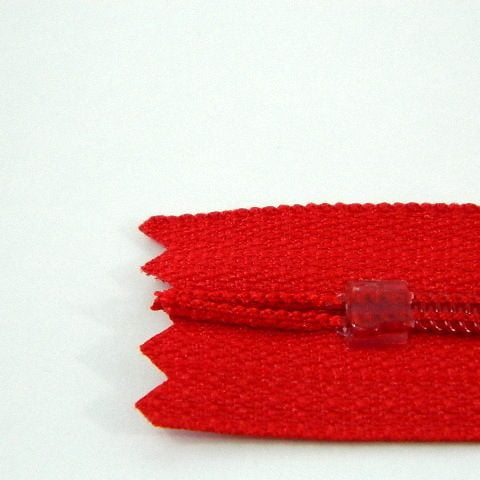
red_zip_tail

This week, in Part 4 of my “How to insert a zip” series, I’ll be explaining how to insert an exposed zip into your projects.

What is an exposed zip?

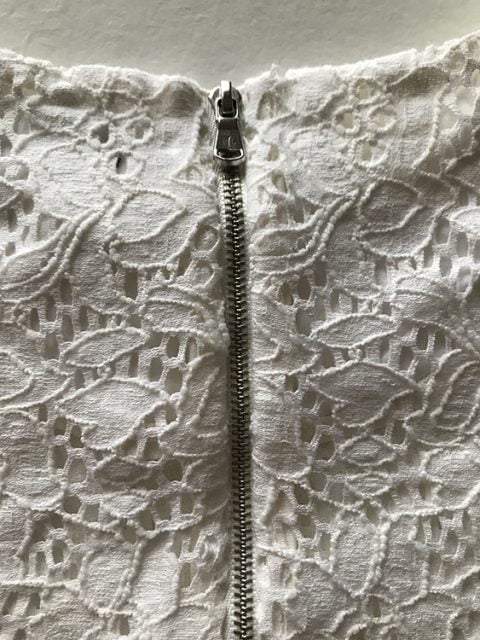
With this method the teeth of the zip are completely exposed and therefore the zip becomes an intrinsic part of the overall design.

exposed_zip

This type of insertion can be used in a more decorative way.

For example:

  • use a contrasting colour zip to make it pop out of the fabric
  • use on the edge of the cushion in the seam itself either with or without piping
  • place diagonally across the panel for a funky twist

As always, when using a sewing machine it is better to use a standard zipper foot.

Did you know?

YKK is the largest zip manufacturer in the world. It makes zips in 9,500 colors and has 20 shades of black in its colour library.

Materials:

  • fabric
  • thread
  • zip
  • zipper foot

Method:

  • Cut your fabric pieces to the correct size.
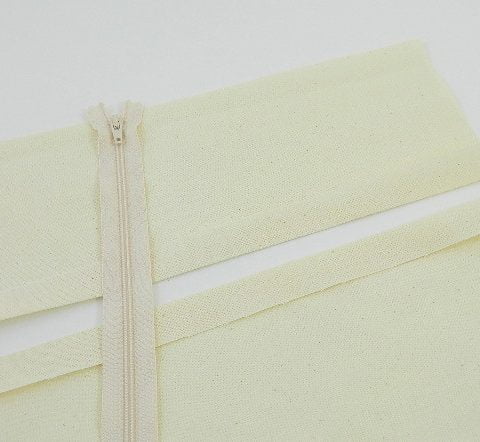
  • Press a seam allowance along two edges where your zip will be attached.

press_seam_allowance

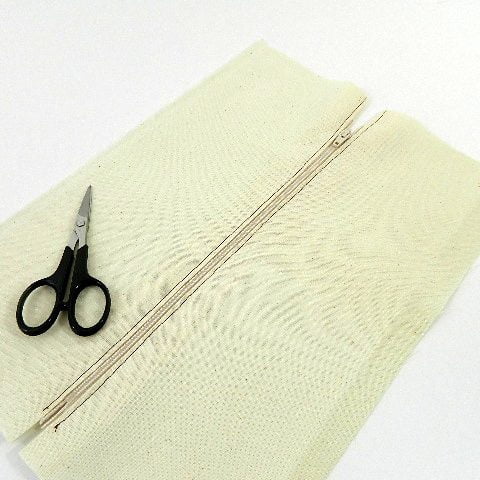
  • Place the zip face up and position one of the fabric pieces at the edge of the teeth.
  • You may wish to tack or pin it in place.
  • Stitch close to the edge of the fabric, taking care not to cover the teeth of the zip.
  • Repeat on the other side.

stitch_close_to_teeth

exposed_zip

There you have the fourth method of zip insertion, and I think the easiest to achieve.

What have we learnt?

I hope you have enjoyed learning about the various methods for inserting zips and I hope I have been able to demystify the whole process and show it really is quite straightforward if you take it one step at a time.

Over the course of these tutorials I have shown you 4 easy step by step methods for inserting zips into your sewing projects.

We looked at invisible zips, semi-concealed zips, concealed zips and exposed zips. They are all available here.

The uses for each method are varied, and many can be used for the same project.

Most of the time it will depend on how you the designer would like your finished project to look.

Experiment and play around with the different types.

all_styles_of_zip_insertion

Although not exhaustive, these tutorials explain the basics of working with zips and by following them you will soon be able to use your new skills with confidence.

Please feel free to pop any questions in the comments section below or send me an email and I will do my best to help.

Until next time…happy sewing!

blog_signature

Next Page »

Primary Sidebar

Printable Downloads

Search

Join My Substack

Copyright © 2017-2026 Gaynor Marshall

We are using cookies to give you the best experience on our website.

You can find out more about which cookies we are using or switch them off in .

Gaynor Marshall | Sewing and Design
Powered by  GDPR Cookie Compliance
Privacy Overview

This website uses cookies so that we can provide you with the best user experience possible. Cookie information is stored in your browser and performs functions such as recognising you when you return to our website and helping our team to understand which sections of the website you find most interesting and useful.

Strictly Necessary Cookies

Strictly Necessary Cookie should be enabled at all times so that we can save your preferences for cookie settings.

Cookie Policy

More information about our Cookie Policy