• Skip to main content
  • Skip to secondary menu
  • Skip to primary sidebar

Gaynor Marshall | Sewing and Design

Designing Calm, One Stitch at a Time

  • Home
  • Store
  • About
    • Copyright
    • Disclosure Policy
  • Blog
    • The Cottagecore Aesthetic: Understanding What it is and How to Use it
    • Crafting for Wellness
      • Mindful Crafting: Unlock Creativity and Transform Wellbeing
    • Discover the Inventor of the Sewing Machine: A Fascinating History
    • Sewing
      • Spring Sewing Delights: Fresh Projects to Celebrate the Season
      • Sewing Essentials: Setup & Success
        • How to Set Up an Inspiring Sewing Workspace at Home
        • Sewing Tools: My Essential Top Ten
        • Stitch Library – Ultimate Guide
        • Successful Sewing: My 5 Secrets
        • Thread Basics: The Ultimate Beginner’s Guide to Sewing and Embroidery
    • Tutorials
      • Buttons: Make Your Own
      • Creative Ways to Use Machine Embroidery for Stunning Projects
      • Drawstring Bags: Make Your Own
      • Creative Embroidery Templates: Think Outside the Box for Unique Designs
      • Mini Bunting Make Your Own
      • Take Your Sewing to the Next Level
      • Zips
        • Zips, Part 1: Invisible Zip
        • Zips, Part 2: Semi-concealed Zip
        • Zips, Part 3: Concealed Zip
        • Zips, Part 4: Exposed Zip
  • Get In Touch
    • Cookie Policy
    • Privacy Policy
    • Terms & Conditions
Home » zippers

zippers

Zips, Part 4: Exposed Zip

February 11, 2018 By Gaynor Marshall

red_zip_tail

This week, in Part 4 of my “How to insert a zip” series, I’ll be explaining how to insert an exposed zip into your projects.

What is an exposed zip?

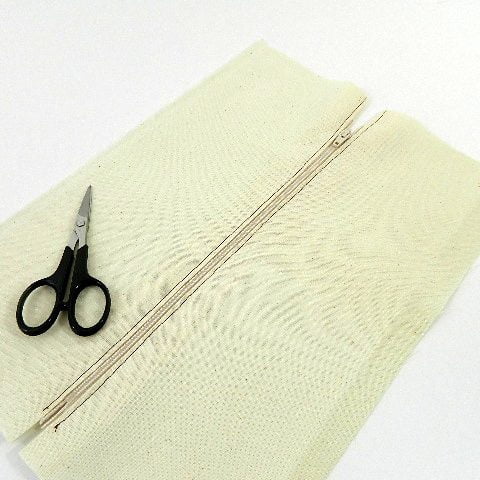
With this method the teeth of the zip are completely exposed and therefore the zip becomes an intrinsic part of the overall design.
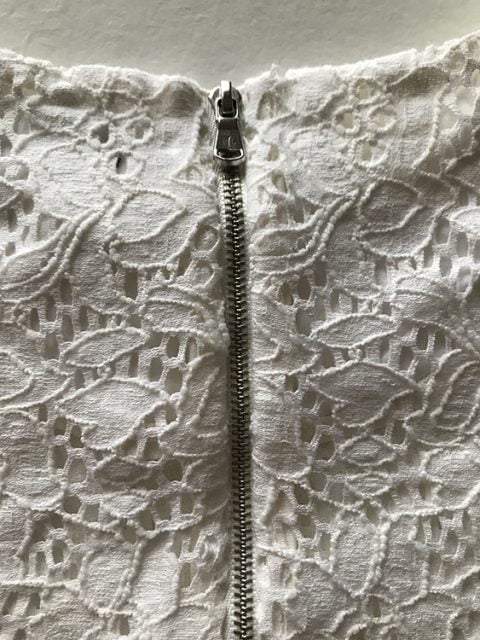
exposed_zip

This type of insertion can be used in a more decorative way.

For example:

  • use a contrasting colour zip to make it pop out of the fabric
  • use on the edge of the cushion in the seam itself either with or without piping
  • place diagonally across the panel for a funky twist

As always, when using a sewing machine it is better to use a standard zipper foot.

Did you know?

YKK is the largest zip manufacturer in the world. It makes zips in 9,500 colors and has 20 shades of black in its colour library.

Materials:

  • fabric
  • thread
  • zip
  • zipper foot

Method:

  • Cut your fabric pieces to the correct size.
  • Press a seam allowance along two edges where your zip will be attached.
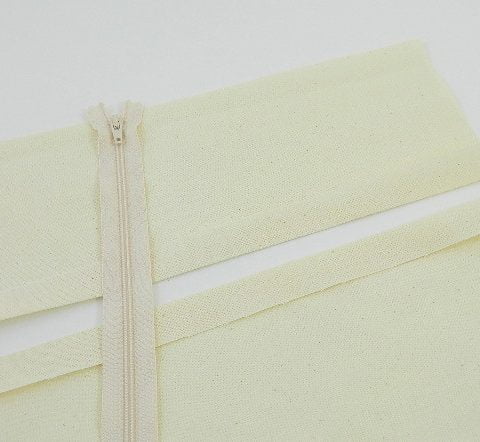
press_seam_allowance

  • Place the zip face up and position one of the fabric pieces at the edge of the teeth.
  • You may wish to tack or pin it in place.
  • Stitch close to the edge of the fabric, taking care not to cover the teeth of the zip.
  • Repeat on the other side.

stitch_close_to_teeth

exposed_zip

There you have the fourth method of zip insertion, and I think the easiest to achieve.

What have we learnt?

I hope you have enjoyed learning about the various methods for inserting zips and I hope I have been able to demystify the whole process and show it really is quite straightforward if you take it one step at a time.

Over the course of these tutorials I have shown you 4 easy step by step methods for inserting zips into your sewing projects.

We looked at invisible zips, semi-concealed zips, concealed zips and exposed zips. They are all available here.

The uses for each method are varied, and many can be used for the same project.

Most of the time it will depend on how you the designer would like your finished project to look.

Experiment and play around with the different types.

all_styles_of_zip_insertion

Although not exhaustive, these tutorials explain the basics of working with zips and by following them you will soon be able to use your new skills with confidence.

Please feel free to pop any questions in the comments section below or send me an email and I will do my best to help.

Until next time…happy sewing!

blog_signature

Zips, Part 3: Concealed Zip

February 4, 2018 By Gaynor Marshall

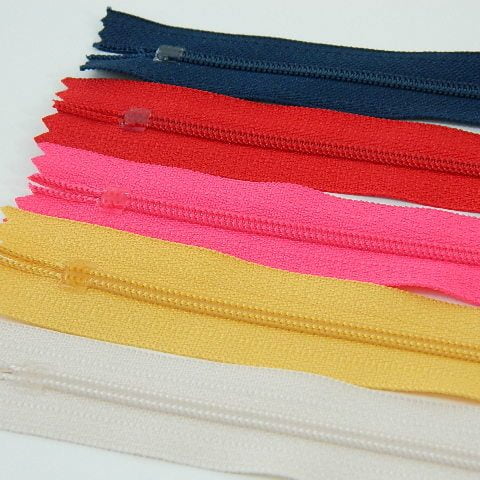
rainbow_zips

Welcome to Part 3 of my series showing you how to insert various types of zips into your sewing projects.

This week we’ll be tackling concealed zips.

What is a concealed zip?

With this method one fold of the fabric covers the zip entirely.

concealed_zip

  • useful for cushions where you do not wish the zip to be visible
  • to allow pattern matching for a seamless look
  • to protect delicate fabrics from being caught on the zip pull / slider
  • jeans / trousers

As before, a standard zipper foot should be used if you are sewing with a machine.

Did you know?

YKK are the largest manufacturer of zips in the world with over 40% of the market share. Each year they produce enough zips to wrap around the world 50 times!

Materials

  • fabric
  • thread
  • zip
  • zipper foot

Method

  • Cut your fabric pieces to the correct size and place right sides together.
  • Position the zip on to your fabric and mark a point at the base of the zip.
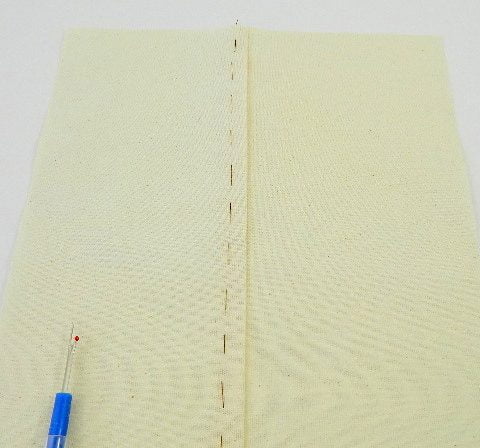
  • Machine stitch the seam from the bottom to the base of the zip position.

machine_stitch_to_base_of_zip

  • Decide which side of the seam you want to cover the zip and press a continuation of the seam line in that side only and tack.

press_fold_in_seam

tack_fold_in_top_seam

  • On the other side turn under the seam allowance 3mm / 1/8″ from the seam line, making the seam allowance smaller. Tack along the seam line.

tacking_in_top-seam

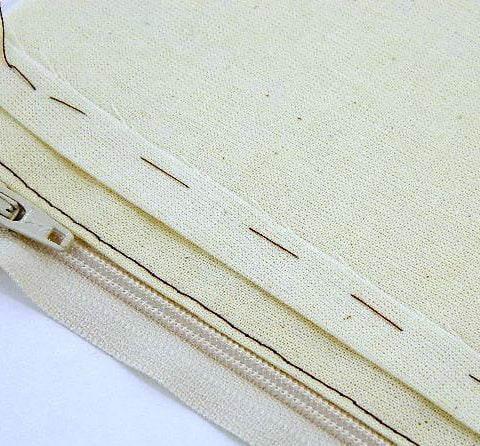
  • Place the zip right side up and lay the second (smaller) fold against the teeth of the closed zip. Tack in place.

tack_zip_as_shown

  • Starting at the bottom, machine stitch along the length of the zip close to the fold of the fabric.

stitch_zip_as_shown

  • Bring the wider fold over the teeth until it meets the original seam line of the first piece of fabric. Tack zip in place.
  • Tack the fold of the fabric that covers the zip in place on the right side of the fabric.

tack_the_fold_to_the_zip

  • Machine stitch in place starting from the bottom.
  • Press carefully and remove tacking stitches.
  • Snip the seam allowance at the base of the zip to allow it to lie flat and hand stitch raw edges to prevent fraying.

machine_in_place_and_remove-tacking

The zip is completely hidden using this method and it gives a very neat finish.

Catch up

If you’d like to catch up on the series so far you can find the relevant information here. Part 1, is about invisible zips and Part 2 is about semi-concealed zips.

I hope you are finding these guides useful and if you have any questions please feel free to get in touch. Pop a comment below or send me an email here.

Next time: exposed zips.

Until then…happy sewing!

blog_signature

Primary Sidebar

Printable Downloads

Search

Join My Substack

Copyright © 2017-2026 Gaynor Marshall

We are using cookies to give you the best experience on our website.

You can find out more about which cookies we are using or switch them off in .

Gaynor Marshall | Sewing and Design
Powered by  GDPR Cookie Compliance
Privacy Overview

This website uses cookies so that we can provide you with the best user experience possible. Cookie information is stored in your browser and performs functions such as recognising you when you return to our website and helping our team to understand which sections of the website you find most interesting and useful.

Strictly Necessary Cookies

Strictly Necessary Cookie should be enabled at all times so that we can save your preferences for cookie settings.

Cookie Policy

More information about our Cookie Policy