• Skip to main content
  • Skip to secondary menu
  • Skip to primary sidebar

Gaynor Marshall | Sewing and Design

Designing Calm, One Stitch at a Time

  • Home
  • Store
  • About
    • Copyright
    • Disclosure Policy
  • Blog
    • The Cottagecore Aesthetic: Understanding What it is and How to Use it
    • Crafting for Wellness
      • Mindful Crafting: Unlock Creativity and Transform Wellbeing
    • Discover the Inventor of the Sewing Machine: A Fascinating History
    • Sewing
      • Spring Sewing Delights: Fresh Projects to Celebrate the Season
      • Sewing Essentials: Setup & Success
        • How to Set Up an Inspiring Sewing Workspace at Home
        • Sewing Tools: My Essential Top Ten
        • Stitch Library – Ultimate Guide
        • Successful Sewing: My 5 Secrets
        • Thread Basics: The Ultimate Beginner’s Guide to Sewing and Embroidery
    • Tutorials
      • Buttons: Make Your Own
      • Creative Ways to Use Machine Embroidery for Stunning Projects
      • Drawstring Bags: Make Your Own
      • Creative Embroidery Templates: Think Outside the Box for Unique Designs
      • Mini Bunting Make Your Own
      • Take Your Sewing to the Next Level
      • Zips
        • Zips, Part 1: Invisible Zip
        • Zips, Part 2: Semi-concealed Zip
        • Zips, Part 3: Concealed Zip
        • Zips, Part 4: Exposed Zip
  • Get In Touch
    • Cookie Policy
    • Privacy Policy
    • Terms & Conditions
Home » soft furnishings

soft furnishings

The Vintage & Retro Revival In Today’s Home Furnishings

April 17, 2025 By Gaynor Marshall

How Classic Textiles Are Shaping Today’s Home Furnishings

As someone who has spent years immersed in the world of sewing, I’ve witnessed trends come and go. But there’s something uniquely enduring about vintage textiles. Right now, we’re seeing a full-blown revival—florals, chintz, mid-century geometrics and toile are reemerging in modern homes with striking confidence. And it’s not just about aesthetics; it’s about creating comfort, character and connection through fabric.

What Defines Vintage & Retro Textiles?

Let’s start with the basics. Vintage textiles typically refer to fabrics produced or popularised before the 1980s. Think rich florals, ornate damasks, pastoral toile or even kitschy kitchen prints from the ’50s and ’60s. Retro, on the other hand, refers to modern fabrics that mimic these older styles.

These prints often carry a sense of nostalgia. There’s an emotional link we form with fabric that reminds us of our grandmother’s drapes or that iconic chair in the family sitting room. That familiarity is what makes vintage patterns so powerful in today’s interiors.

Why They’re Back: Cultural & Design Influences

We’re in an era of reclaiming comfort and personality in our living spaces. As minimalist trends soften and people lean into “slow living,” vintage and retro styles bring a warmth that mass-produced decor often lacks.

Designers are pairing bold 70s florals with clean Scandinavian lines or layering chintz over rustic farmhouse styles. The mix of old and new creates a lived-in, layered effect that feels curated and thoughtful.

Popular Applications in Home Furnishings

Cushions & Throws: A small commitment with high impact. Vintage florals or checkerboard prints can instantly brighten a sofa or bed. Add piping for extra polish.

Curtains & Roman Blinds: Large-scale prints work beautifully on window treatments. Look for linen or barkcloth textures to elevate the effect.

Table Linens: From ruffled table skirts to scalloped placemats, retro-inspired linens can breathe life into a dining space.

Upholstery Projects: Reupholstering a flea market chair with a bold 60s pattern? Yes, please. Use interfacing and backing fabrics to reinforce delicate vintage materials.

Bedding: Patchwork quilts, bed valances and even duvet covers offer perfect opportunities to combine multiple vintage prints for a collected look.

Fabric Sourcing Tips

If you’re lucky, estate sales and charity shops can be goldmines. But many online sellers now specialise in vintage yardage. Be sure to:

  • Check for fibre content and flaws (a burn test can help identify fibres).
  • Pre-wash gently and air dry to preserve the fabric’s integrity.
  • Don’t overlook vintage sheets or curtains—they make excellent sewing material!

If working with true vintage isn’t feasible, many modern fabric companies are reprinting retro designs on new, sturdy cottons and linens.

Sewing Considerations

Working with older fabrics requires a bit of finesse:

  • Pre-wash and iron before cutting.
  • Stabilise thinner fabrics with fusible interfacing.
  • Consider French seams or overlocking for durability.
  • Match patterns carefully, especially with large-scale repeats.

Remember, part of the charm of vintage textiles lies in their imperfections. Embrace the quirks—they’re part of the story.

Mixing Old with New

Balance is key. Use a bold vintage fabric for a statement piece, then pair it with neutral or textured solids to keep the look fresh. A floral cushion on a modern leather chair or a scalloped retro tablecloth in an otherwise minimal dining room—those are the pairings that pop.

Colour cohesion helps too. Pull a palette from your vintage fabric and repeat it throughout the room for a cohesive design.

Project Inspiration

Need a starting point? Try these:

  • Envelope cushion covers with contrast piping
  • Ruffled sink skirts or table skirts
  • Quilted chair pads or floor cushions
  • Reversible placemats with clashing retro prints
  • A patchwork wall hanging from scrap fabrics

Stitching the Past into the Present

Vintage fabrics don’t just tell a story—they invite us to become part of it. In a world dominated by fast fashion and mass production, sewing with retro textiles is an act of artistry and mindfulness. Whether you’re repurposing a floral curtain panel into a set of napkins, or transforming barkcloth into a bespoke lampshade, you’re creating something that celebrates the past while living proudly in the present.

So go ahead. Cut into that vintage yardage. The story is yours to finish.

The Cottagecore Aesthetic: Understanding What it is and How to Use it

January 22, 2025 By Gaynor Marshall

In a world that often feels fast-paced and chaotic, the cottagecore aesthetic offers a serene escape. Rooted in nostalgia and inspired by the charm of rural life, this trend celebrates traditional crafts and a slower, more meaningful approach to creativity. For sewing enthusiasts, cottagecore provides endless inspiration—from delicate embroidery to hand-sewn home accents. In this post, we’ll explore how sewing and stitching play a central role in the cottagecore aesthetic and how you can bring this timeless charm into your projects.

What is Cottagecore?

Cottagecore is more than just a design trend—it’s a lifestyle that embraces the romance of country living, artisanal crafts and natural beauty. For sewists, it’s an opportunity to channel this nostalgic aesthetic into creative projects that celebrate handmade craftsmanship. From vintage-inspired clothing to home textiles adorned with intricate details, sewing is at the heart of cottagecore’s appeal.

The Role of Sewing in the Cottagecore Aesthetic

Sewing and stitching are integral to the cottagecore aesthetic because they embody the values of slow living and self-sufficiency. Handcrafted items not only add charm and personality to your space but also reflect a commitment to sustainable, thoughtful creation. Here’s how sewing fits into this enchanting trend:

  • Handmade Over Mass-Produced: Cottagecore values the unique beauty of handmade items, whether it’s a patchwork quilt or a hand-stitched dress.
  • Vintage Techniques: Traditional sewing skills, such as embroidery, smocking and quilting, play a key role in creating pieces with timeless appeal.
  • Natural Materials: Sewing with linen, cotton and other natural fibres aligns perfectly with the rustic and organic feel of cottagecore.
  • Personalisation: From monograms to custom patterns, sewing allows you to create items that are uniquely yours.

Sewing Projects Inspired by Cottagecore

If you’re ready to bring the charm of cottagecore into your sewing projects, here are some ideas to get you started.

Home Decor:

  • Sew table runners, placemats, or napkins using soft floral or gingham fabrics.
  • Create cushion covers with lace trim, ruffles or embroidered details.
  • Try your hand at making a patchwork quilt for a cosy, nostalgic touch.

Clothing:

  • Craft a flowy, vintage-inspired dress with puffed sleeves and delicate buttons.
  • Sew an apron with pockets for baking or gardening, complete with charming embellishments.
  • Add embroidery or lace accents to blouses, skirts or scarves for a cottagecore flair.

Accessories:

  • Make drawstring bags or pouches for storing herbs, sewing supplies or small treasures. If you’re looking for an easy project to get started, check out my sewing tutorial for a drawstring bag for step-by-step guidance!
  • Stitch a tote bag from natural fabrics, perfect for farmers’ market trips.
  • Sew headbands, scrunchies or handkerchieves in soft, cottagecore prints.
gathered_drawstring_bag

Embracing Traditional Techniques

To truly capture the spirit of cottagecore in your sewing, consider exploring traditional techniques that add a handmade touch.

  • Embroidery: Use floral or botanical motifs to embellish clothing, linens or decorative hoops.
  • Smocking: This intricate stitching technique adds texture and charm to dresses, aprons and blouses.
  • Quilting: Create patchwork pieces using scraps of fabric in complementary colours and patterns.
  • Hand-Stitching: Opt for visible hand stitches for a rustic, artisanal feel.

Incorporating Cottagecore into Your Sewing Space

Your sewing space can also reflect the cottagecore aesthetic. Here are some tips to create a cosy and inspiring environment.

  • Organise Creatively: Use vintage tins, wicker baskets or glass jars to store threads, buttons and notions.
  • Decorate with Fabric: Hang embroidered hoops, bunting or patchwork banners to brighten your workspace.
  • Choose Natural Light: Position your sewing table near a window to take advantage of natural light and enjoy a view of nature.
pink_hoop_art
elephant_bunitng_finished

The Emotional Connection of Sewing in Cottagecore

At its heart, the cottagecore aesthetic is about finding joy in the process of creating. Sewing offers a tactile and meditative experience that aligns perfectly with this philosophy. Whether you’re stitching a simple project or embarking on a more complex design, the act of sewing allows you to slow down, connect with tradition and create something meaningful with your own hands.

Conclusion

The cottagecore aesthetic offers endless inspiration for sewing enthusiasts who appreciate the beauty of handmade creations. From delicate embroidery to vintage-inspired home decor, sewing allows you to embrace the charm of cottagecore in a personal and creative way. Ready to start your next project? Let the simplicity and elegance of cottagecore guide your needle and thread—and enjoy the timeless satisfaction of making something truly unique.


Zips, Part 2: Semi-concealed Zip

January 28, 2018 By Gaynor Marshall

coloured_zips

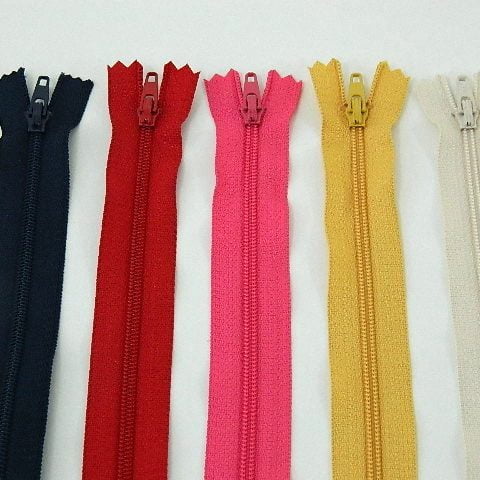
In the second part of my series about inserting zips into your projects, we’ll be looking at how to use a semi-concealed zip.

What are semi-concealed zips?

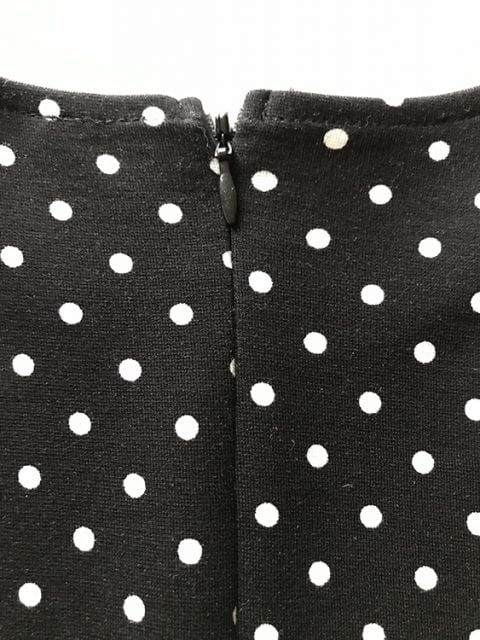
A semi-concealed zip refers to the way the zip is inserted into the project. With this method the teeth of the zip will not be visible from the right side of the fabric although the stitching will.

semi_concealed_zip

You may decide to make more of a feature of the stitching by using a contrasting thread.

There are many uses for this type of insertion, some of which include:

  • making more of a feature of the zip opening
  • making cushions
  • bag making
  • dress making

A standard zipper foot should be used if you are sewing with a machine.

Did you know?

In 1851, Elias Howe received a patent for an “Automatic, Continuous Clothing Closure”. However, he failed to market the design and in 1893, Mr Whitcomb L. Judson patented and brought to market his “Clasp Locker”. Being the first to market, gave Mr Judson credit for inventing what was later termed the “zipper”.

Materials

  • fabric
  • thread
  • zip
  • zipper foot

Method:

  • Cut your fabric to the required size and place right sides together.
  • Position the zip on your fabric and mark the point at the base of the zip.

semi_concealed_zip_position

  • Machine stitch the seam to the base of the zip position.
  • Tack the rest of the seam closed.

tack_seam_in_place

  • Press the seam open.
  • Place the fabric wrong side up and lay the zip face down over the seam and tack in place.

tack_zip_in_place

  • On the right side, sew carefully down each side of the zip, taking care not to expose the teeth.

top_stitch_the_zip_in_place

  • Remove tacking stitches. 

stitch_line

  • Remove tacking stitches.

If you missed Part 1 you can find it here.

I hope you are finding this series useful. If you have any questions please pop them in the comments below or you can email me here.

Next time: concealed zips.

Until then…happy sewing!

blog_signature

Zips, Part 1: Invisible Zip

January 21, 2018 By Gaynor Marshall

open_zip

This week on the blog I’m looking at how to insert an invisible zip.

Zips are a fantastic invention, thank you Mr Whitcomb L. Judson (1893), but the nemesis of many a sewer!

They have the reputation for being difficult to use. However, if you take your time and follow a few basic guidelines they are really quite straightforward.

Types of Zip

Zips themselves come in a number of guises: the two that are regularly used in home furnishings are nylon coil and metal. They are available in a whole rainbow of colours and a large number of sizes.

I tend to use nylon zips as there is no chance of them rusting if washed.

Continuous zips are extremely useful for larger items and upholstery projects. The teeth part of the zip comes on a roll which you then cut to the required length. A number of slides may be included and you can usually buy extra.

Zips can be tricky, but if you use a zipper foot on your machine and take it step by step, you can do it.

As my background is in soft furnishings I will be sharing information relating to home decor rather than fashion, although certain things may be transferable.

zips

Practise makes perfect

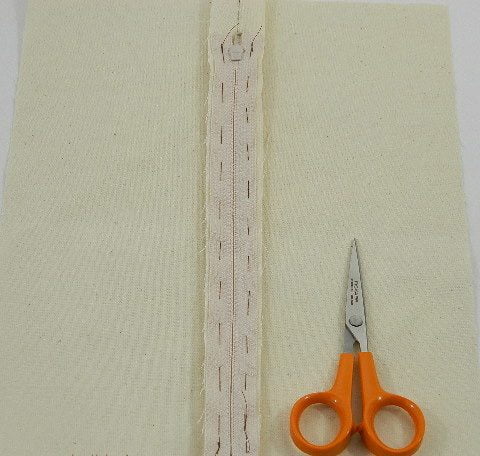
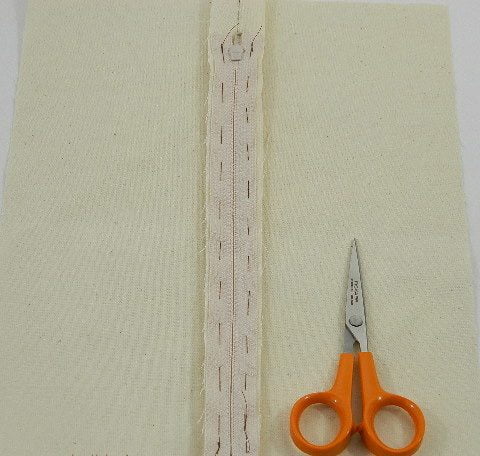
You can see that I’ve used spare pieces of fabric in order to show you the techniques and I’ve also used a contrasting thread so that it is easier to see where I have stitched. This is a good way to practise before making up your project as it means you will not spoil any expensive fabric should you need to unpick any first attempts.

Which method should you choose?

The first thing to consider is how do you want your finished project to look. This will determine the method to use.

There are a number of methods for inserting zips:

  • invisible zips
  • semi-concealed zips
  • concealed zips
  • exposed zips

For example, if you are making a cushion cover, is it important to you that the zip is completely hidden or would you like to incorporate it as a design feature? It is entirely your choice. 

The next thing to consider is how long your zip should be.

This will depend entirely on what you are making. For example, if you are making a cushion cover, the opening for the zip will need to be wide enough to insert and remove a cushion pad without too much of a struggle.

Practising all of the techniques is valuable experience and you may find your preference by trying them all.

If you are still unsure, have a look on Pinterest and get a feel for the kind of style you prefer and take it from there.

In order not to overwhelm you, I will show you one technique each week from the list above starting with: invisible zips.

invisible_zip

Invisible Zips:

This method means the zip will not be visible on the right side of the fabric on your finished project.

  • useful when a good colour match is not available
  • or when any other type of zip insertion would break up the pattern on the fabric
  • ideal for fabrics that are difficult to sew

A special invisible zipper foot may be available for your machine, although a standard zipper foot may be used just as effectively.

Method:

  • Cut your fabric to the size required for your project and place the two pieces right sides together.
  • Using a large machine or tacking stitch close the seam. Press open.

tack_seam

press_seam_open

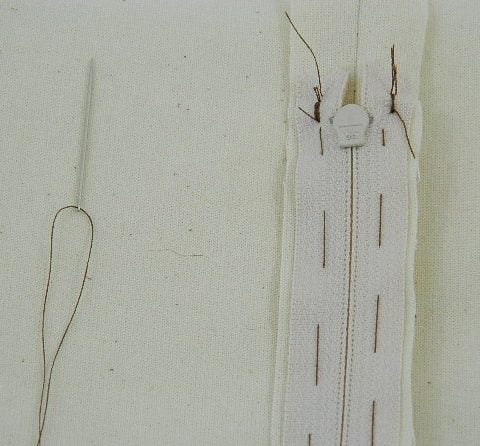
  • Place the closed zip on the wrong side of the seam, making sure the teeth are centred over the join.
  • Tack both sides of the zip in place, attaching it ONLY to the seam allowance NOT through to the right side of the fabric.

tack_zip_in_place

close_up_of_tacking_stitches

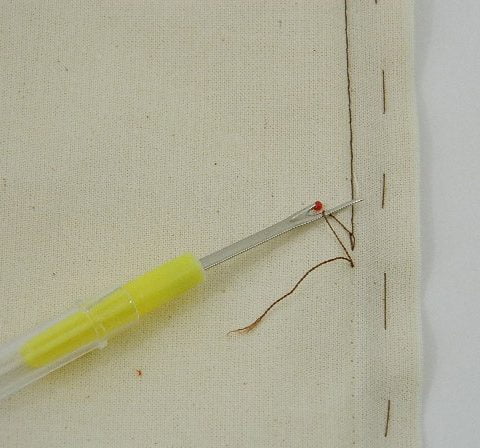
  • Remove the original tacking stitches that held the seam closed and open the zip to its base.

undo_tacking_stitches

open_zip

  • Open out the fabric and machine or backstitch down each side of the zip next to the teeth, stitching through the zip tape and seam allowance only and working from the wrong side of the fabric. Sew down as far as the slider.
  • Keeping the needle in the down position, raise the zipper foot and move the slider up a little and sew to the end of the tape.

sew_zip_in_place

stitch_line

  • Repeat on the other side of the zip. Remove tacking stitches.

remove_tacking_stitches

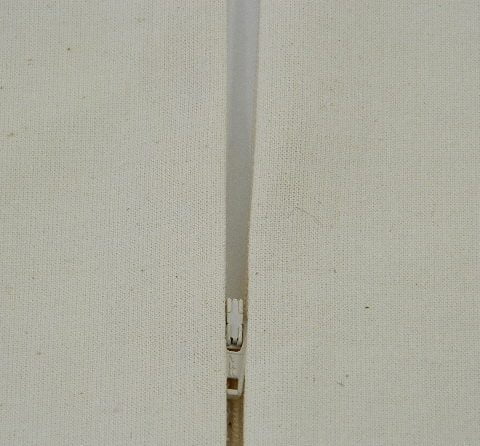
finished_zip

As you can see, neither the zip nor the stitches are visible from the front of the fabric.

I hope you find this series useful.

If you have any questions please do not hesitate to contact me or leave a comment below and I will do my best to help.

Next time: semi-concealed zips.

Until then…happy sewing!

blog_signature

Creative Ways to Use Machine Embroidery for Stunning Projects

November 5, 2017 By Gaynor Marshall

pink_hoop_art_4

Design your own fabric using decorative machine embroidery!

I’m sure you’ll agree, beautiful fabric is one of lifes’ necessities…erm…ok…luxuries; the colour, the texture, the feelings it can evoke, the endless creative possibilities. You’ll also be aware of how expensive good quality fabric can be. I’m not trying to talk myself out of my surface design job, but I want to share a quick and easy way to create gorgeous, unique fabric using only plain fabric and thread.

Decorative Machine Embroidery.

Your sewing machine is a fabulous tool. A very, under-used tool. Most of the time, the only stitch we use is the straight stitch; much needed and very necessary when sewing seams, but not the only one available.

Even if you have an entry level sewing machine, it will have a good handful of utility and decorative machine embroidery stitches. Have a look. If you create a stitch library you will be able to see at a glance the array of stitches available to you.

I have designed a number of projects suitable for using any of the stitches you have on your machine. Use them to create home decor items, either for yourself or to give to a loved one or friend.

 Projects.

1. Pincushion

The first project I want to share is a pincushion. Very simple to put together but very stylish and no one anywhere will have one the same style.

turquoise_pin_cushion_1

  • I wanted to create a 6″ (15cm) finished pincusion. I cut 2 squares of main fabric and two squares of lining measuring 6.5″ x 6.5″ ( 16cm x 16cm approx.). You don’t have to use lining fabric you could use stabiliser, thin wadding or anything you have to hand for the inside.

fabric_pieces

  • Using two contrasting colours makes a bigger impact.
  • For the turquoise side I used a bright pink thread and for the green side I used a turquoise thread. I find the best thing to do is to draw a straight line with an air erasable pen so that your first row of stitches is straight. It doesn’t matter whether you start at the edge of your fabric or the centre, I prefer to start in the centre and then space the rows evenly either side.

stitches_on_machine

  • You may choose to sew a random selection of decorative embroidery stitches, or you could mirror them to create a further interesting design feature.
  • Once both your fabric pieces are complete, place them right sides together and sew them together using a straight stitch, remembering to leave a small gap for turning.

decorative_stitches_right_sides_together

turn_out

neaten_seams

  • When you have turned the pincushion out and you are happy with the corners, stuff it firmly with toy or craft stuffing. The trick when stuffing anything is to use small pieces until it is firm and evenly filled.
  • Hand sew the gap using a ladder stitch.

stuff_pin_cushion

embroidered_turquoise_pincushion

  • I also rotated the fabric pieces, so that on one side the stitches ran top to bottom and on the reverse they are side to side. Another design feature for a totally bespoke pincushion.

2. Scissor Keeper

The instructions for making scissor keepers is almost identical to those for a pincushion. The only difference, apart from size, is you need to add a piece of ribbon or cord before you stitch the two pieces together.

For reference my scissor keepers measure 2″ x 2″ and 3″ x 2.5″ finished sizes (5cm x 5cm & 7.5cm x 6cm approx). Add 1/4″ (1cm) for the seam allowances.

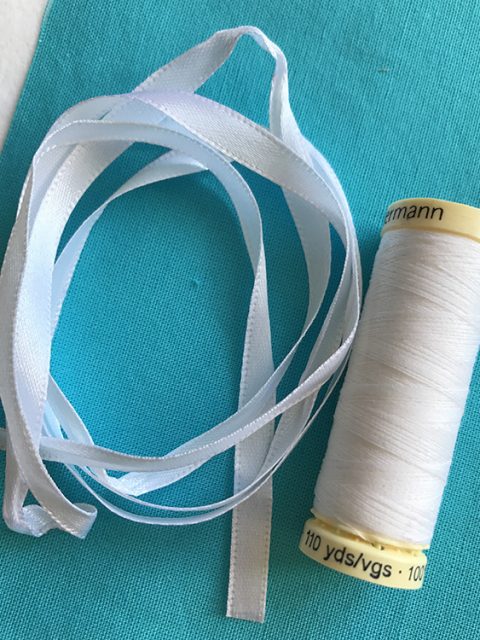
materials_for_scissor_keeper

scissor_keeper_adding_ribbon

  • Carefully tack / baste the ribbon in place before stitching the outer pieces together.

stuff_scissor_keeper

These handy little notions can be made in a variety of sizes for different scissors and can even be used as keyrings.

turquoise_scissor_keeper

scissor_keepers

pink_scissor_keeper

3. Hoop Art.

Use fabric in an embroidery hoop as a modern style of wall art.

These clever little inventions lend themselves perfectly to home decor. Arrange them in groups of varying sizes to add interest to a plain wall.

  • To crate your own hoop art, choose the hoop size you wish to use and stitch your fabric. Make sure the piece of fabric you use is big enough to fit inside the hoop.
  • Trim the fabric piece by using the inner hoop as a template and fix onto the frame.

pink_hoop_art

Display proudly on your wall!

4. Wall Art.

Another idea is to stitch a panel of fabric using decorative machine embroidery stitches and display in a box frame. I created a simple design by using one stitch in the centre of the panel and then I mirrored the outer stitches to form a balanced design.

embroidery_black_frame

embroidery_black_frame_1

embroidery_white_frame_1

Use more than one colour and see the different effects you can achieve. A rainbow of colours would look stunning.

I hope you enjoy creating your own fabric using the decorative machine stitches on your sewing machine. Feel free to share photos of your makes using #gaynormdesigns over on Instagram, I’d love to see them.

Until next time…

Gaynor xx

Next Page »

Primary Sidebar

Printable Downloads

Search

Join My Substack

Copyright © 2017-2026 Gaynor Marshall

We are using cookies to give you the best experience on our website.

You can find out more about which cookies we are using or switch them off in .

Gaynor Marshall | Sewing and Design
Powered by  GDPR Cookie Compliance
Privacy Overview

This website uses cookies so that we can provide you with the best user experience possible. Cookie information is stored in your browser and performs functions such as recognising you when you return to our website and helping our team to understand which sections of the website you find most interesting and useful.

Strictly Necessary Cookies

Strictly Necessary Cookie should be enabled at all times so that we can save your preferences for cookie settings.

Cookie Policy

More information about our Cookie Policy